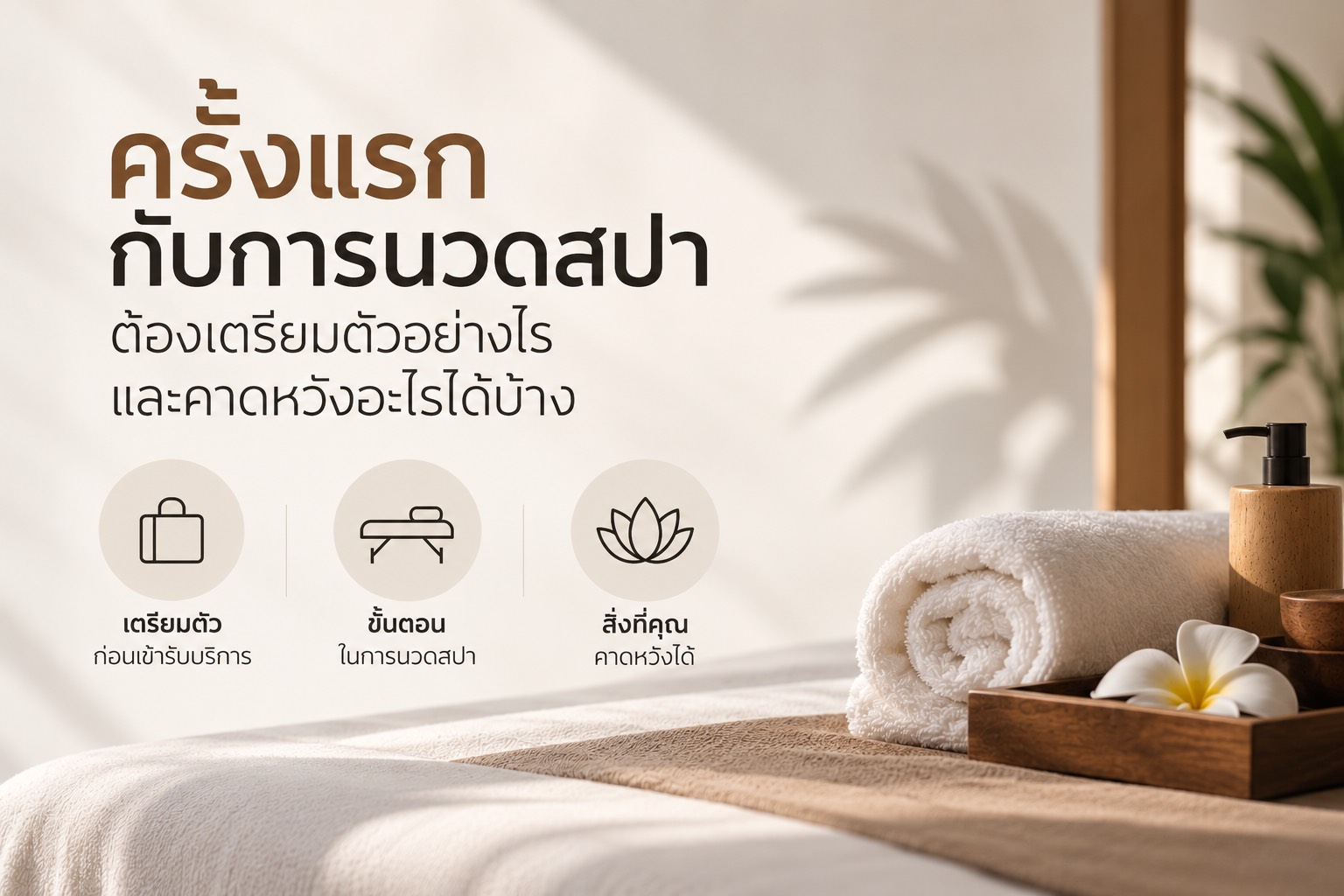
A first massage can feel a little nerve-racking. Will the pressure hurt? What do you wear? What should you say to the therapist? The good news is that a massage is tailored to you, and therapists are used to welcoming first-timers. This guide walks you through preparing, what happens during the session, and what to do afterwards, so your first visit is a comfortable one.
How should you prepare before you arrive?
Preparation is simple.
* Book ahead so you can choose your branch, day and time, especially evenings and weekends when slots fill up fast.
* Arrive about 10 minutes early so you aren't rushed and have time to settle in.
* Avoid coming straight after a big meal. Leave some time after eating.
* Wear comfortable clothes that are easy to change in and out of.
* If you have a health condition, are pregnant or have a recent injury, let the shop know when you book.
Which type of massage should you choose?
If you aren't sure, think about what you want most.
* Aches all over and you like clear, firm pressure: Thai massage.
* Something smooth and soothing: oil massage.
* Pain mainly in the neck, shoulders and upper back: a focused neck and shoulder session, which takes less time.
* A break from stress: aromatherapy massage, where the scent helps you unwind.
For a first visit, 60 to 90 minutes is a good length to find out what your body likes.
What happens when you arrive?
Staff will welcome you and confirm your booking. Your therapist will then ask about your symptoms, any spots to focus on, and any health limits. This is the most important step. The more you tell them, the better they can adapt the session to you.
You will then be given a change of clothes or towels, and the therapist will step out so you can change in private. During the massage, the parts of your body that aren't being worked on stay covered, so you feel secure and warm.
How do you tell the therapist what pressure you like?
This worries first-timers the most. You can speak up at any time, and there is no need to feel shy.
* Too strong? Say "a little lighter, please."
* Too light? Say "a bit firmer, please."
* Sharp or uncomfortable pain? Say so right away. Don't tough it out.
A "good hurt" on a tight spot is normal. But the pressure should never make you tense up or hold your breath.
What should you do during the massage?
Not much. Breathe slowly, let your body go loose, and let the therapist move you. You don't need to help. You can chat or doze off, whichever you prefer. If you feel too cold or warm, or want to change position, just say so.
How should you take care of yourself afterwards?
* Drink some water.
* Get up slowly. Some people feel a little light-headed from deep relaxation.
* You may feel mild soreness the next day, especially if your muscles were very tight. It usually fades on its own.
* If soreness is unusually strong, or anything else worries you, talk to a doctor.
Who should see a doctor before a massage?
Massage suits ordinary muscle aches. See a doctor first if you have numbness or weakness, severe radiating pain, a recent accident or surgery, a fever, or conditions such as heart or bone problems, or if you are pregnant.
First-timer questions
Do I have to undress completely?
No. It depends on the type of massage. The shop provides clothes and towels, and the parts not being worked on stay covered.
What if I feel tense or shy?
That is completely normal and therapists see it often. Take a few deep breaths and tell them it is your first time. They will start gently and check in with you.
How long should my first massage be?
60 to 90 minutes is a good start. If you only want neck and shoulders, 30 to 60 minutes is enough.
Do I need to tip?
It is up to you and your satisfaction. There is no obligation.
Kham Massage (คาม นวดเพื่อสุขภาพ) welcomes first-time guests. Before you begin, your therapist will ask about your symptoms and the pressure you like, so you feel at ease from start to finish. Book ahead on our website and choose your branch, day and time.
This article gives general information and is not medical advice. If you have unusual symptoms, please consult a doctor.