What Is Hand Vibration Massage, and What Movements Define It?
Hand vibration massage is a technique in which the hand stays in contact with one area while making small, continuous vibrating movements. The hand remains close to its original position without being completely still. To recognise the technique, notice both where the hand makes contact and the small movements happening at the same time.
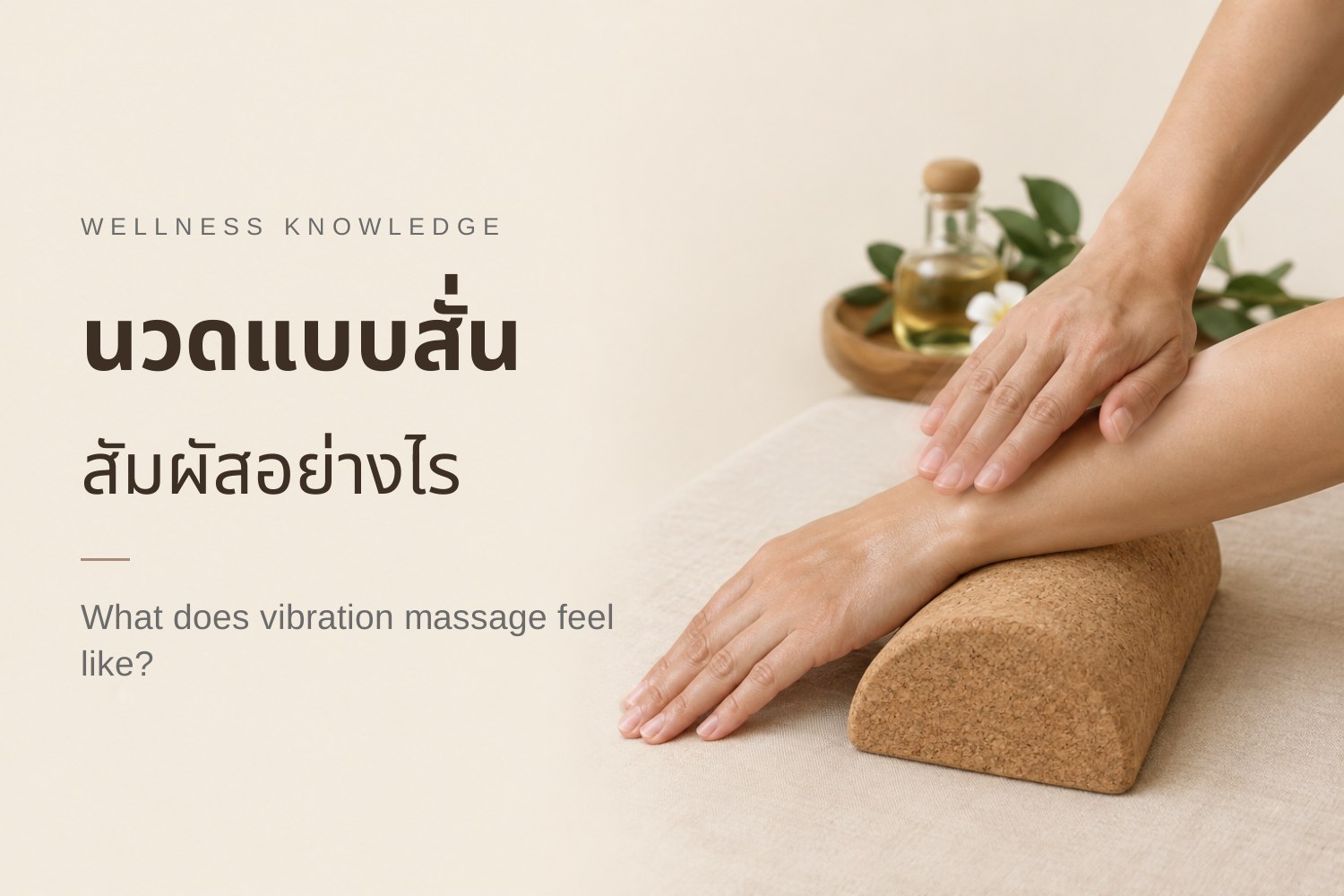
Imagine a hand resting on a forearm, maintaining contact with the same area while vibrating over a short distance. It is neither gliding along the arm nor lifting away and tapping down repeatedly. The key feature is continuous contact, even as the hand moves rhythmically.
In this article, vibration refers to movements made by hand, not with a vibrating device. The word small describes the size of the movement; it does not imply strong pressure or a sensation of vibration throughout the body. Understanding this distinction may help you recognise different rhythms of touch, without expecting everyone to experience the same sensations.
How Can the Hand Vibrate While Maintaining Contact?
Maintaining contact means that the hand stays touching the area, not that it holds strong pressure there. The hand can therefore maintain its contact area while making small movements within that same space. Thinking of contact position and movement as separate elements makes it easier to understand how both can happen at once.
Four elements help explain this: contact area, movement size, rhythm and pressure. The contact area is where the hand touches, while movement size refers to how far the hand moves. Rhythm describes the continuity of the vibration, while pressure is a separate element. Faster vibration should therefore not be assumed to mean stronger pressure.
Viewed as a whole, the hand may appear to stay in place while still making short, continuous movements. Large movements are not the defining feature of this technique. These descriptions are intended to help distinguish different types of touch, rather than provide steps for trying out pressure yourself. You should always be able to communicate how comfortable the touch feels.
How Does Vibration Differ from Stroking and Tapping?
To distinguish hand vibration massage from stroking and tapping, notice two things: whether the hands glide along the skin, and whether they lift away between movements. These clues make the movement pattern clearer than simply watching how fast or slowly the hands move, because speed alone does not identify the type of touch.
Stroking involves gliding the hands along a path from one point to another. Tapping involves lifting the hands away and returning to make contact in a rhythm. Vibration differs in that the hands remain in contact with the same area while making small, continuous movements. Think of the difference between a hand that glides across the skin, a hand that touches and lifts away, and a hand that stays in contact while gently moving.
Maintaining contact does not mean keeping the hands still. It means keeping the point of contact while continuing small vibrating movements. When learning about vibration in massage, notice both the position of the hands and the continuity of contact. These differences describe movement patterns rather than a ranking of techniques, and preferences for each type of touch can vary.
What Does Vibrating Touch Feel Like, and What Should You Expect?
During vibrating touch, you may notice a gentle trembling sensation or a rapid rhythm in the area where the hands make contact. Even when the hands do not glide far, small movements can still be felt. The sensation may vary with pressure, the rhythm of the touch, and personal preferences, so your experience does not need to match every part of the description.
What to expect is one form of touch that may help you feel relaxed, rather than a sensation that is the same for everyone. Some people may enjoy a gentle trembling rhythm, while others may prefer a different kind of movement. Finding the touch light or not to your liking does not, on its own, determine its quality.
As the touch begins, notice whether the pressure and rhythm feel comfortable for you, without trying to endure them to achieve an expected sensation. If the rhythm is too rapid for your preference or the pressure does not feel right, you can ask for an adjustment or for it to stop. Saying that you would prefer lighter touch or a different rhythm communicates your needs more clearly than using pressure alone to judge what a massage should feel like.
How to Communicate Your Comfort During a Massage
Before your massage begins, try to explain your preferences for pressure and pace clearly. For example, you might ask to start with light pressure or say that you prefer a slow pace. If you have never experienced a vibrating touch, you can explain that you are not yet sure what you like and ask to try it briefly first so you can notice how it feels.
During your massage, specify whether you would like the pressure or the pace adjusted, as lighter pressure and slower movement are different things. Clear requests include asking for slightly lighter pressure, a slower pace, or a pause in contact with a particular area. You do not need to know the correct technique name. Simply explain which aspects of the touch feel comfortable or uncomfortable.
If you feel uncomfortable, you do not need to continue with the touch or wait for that part of the massage to finish. You can ask to pause, then explain what you would like adjusted. After the adjustment, notice how you feel again without expecting yourself to enjoy the same rhythm as someone else.
Frequently asked questions
How does hand vibration massage differ from using a vibrating device?
Hand vibration massage involves keeping a hand in contact with one area while making small vibrating movements. The massage practitioner can adjust the rhythm and pressure in response to how the person receiving the massage feels. Devices generate vibrations mechanically, with rhythms and settings that vary by device. The two approaches may feel different, and individual preferences can vary.
How does vibration differ from tapping in massage?
Vibration involves small, continuous movements while the hand stays in contact with the same area. Tapping involves lifting the hand and making contact again rhythmically. The main difference is continuous contact during vibration versus intermittent contact during tapping.
Does maintaining hand contact mean applying firm pressure?
Maintaining hand contact means keeping the hand in contact with the same area; it does not mean pressing firmly. Pressure and vibrating movements are separate elements that can be adjusted for comfort. If the pressure feels too firm, ask the massage practitioner to use less pressure or stop that movement.
Does everyone find vibrating movements relaxing?
People may experience vibrating movements differently depending on their preferences, sensitivity to touch and the rhythm used. Some may feel relaxed, while others may find the sensation ticklish or uncomfortable. Sharing how it feels during the massage can help guide adjustments for greater comfort.
What should I say if I do not like the vibrating sensation?
You can be direct and brief, for example: “Please stop the vibrating movement” or “Could you use a steadier touch?” If the sensation is uncomfortable, speak up straight away rather than continuing to accept it. Saying whether you would prefer lighter pressure, a different rhythm or a pause helps the massage practitioner understand your preferences.