What Is a Foot Massage Stick, and How Is It Used During a Massage?
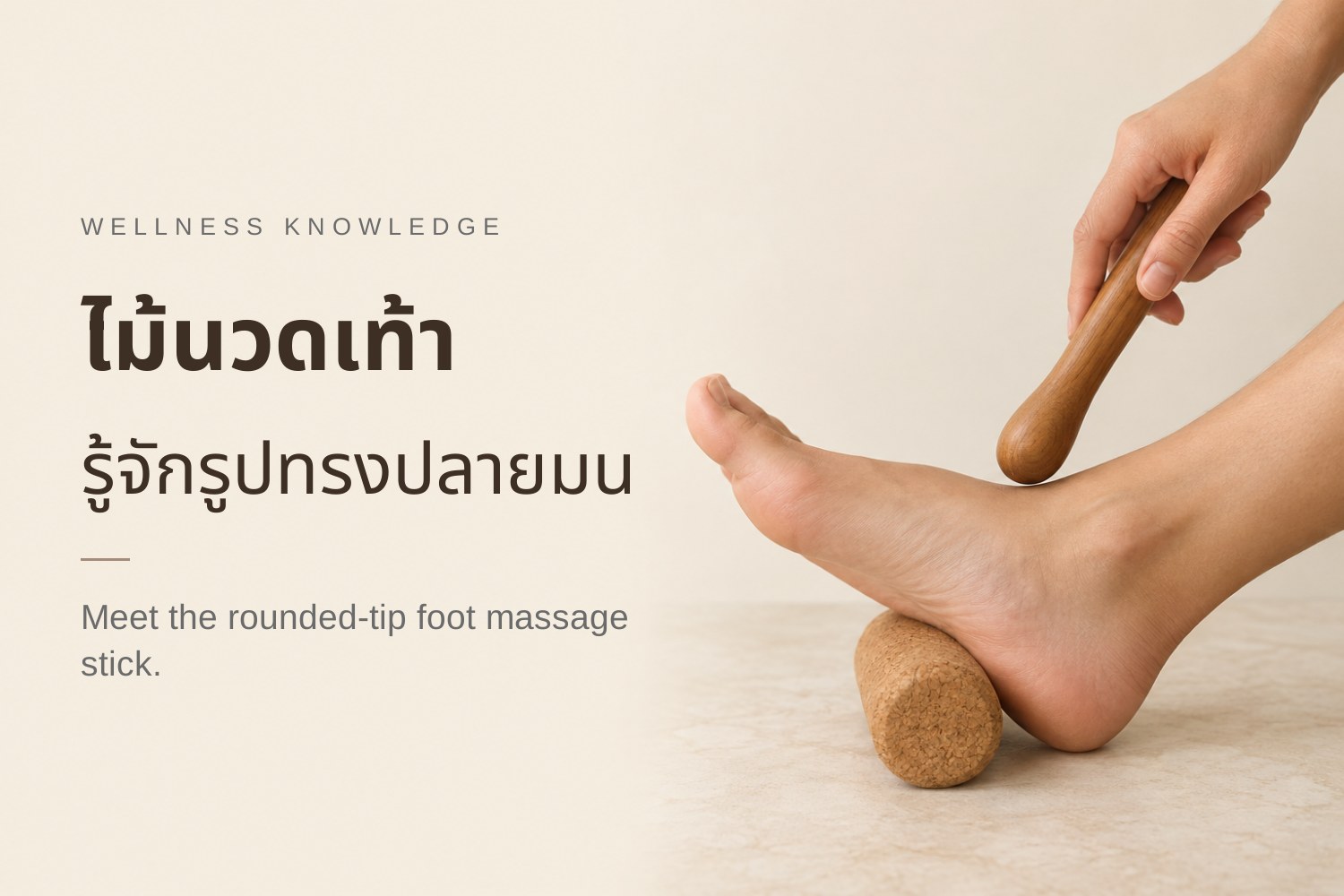
A foot massage stick is a wooden tool used during foot massage. Its tip makes contact with the skin in place of fingers or palms during some parts of the session. You may also encounter the name “foot pressure-point stick.” “Foot massage tool” is a broader term, so it helps to consider the shape and how the tool is used rather than its name alone.
What distinguishes a stick from hands is its hard surface and relatively focused area of contact, while a palm can make contact over a broader area. The sensation during a massage therefore depends on which part of the tool touches the skin, the pressure applied, and the recipient’s preferences—not simply on whether a stick or hands are used.
For anyone new to this tool, understanding its shape and feel can make it easier to communicate about comfort. If the sensation feels more intense than you prefer, you can ask for lighter pressure or a different way of making contact. This article focuses on understanding the tool and communicating during a massage, rather than providing instructions for locating points or practising pressure techniques on your own feet.
Why Do a Rounded Tip and a Smooth Surface Matter?
A rounded-tip foot massage stick has two parts worth examining separately: the handle and the part that touches the skin. The handle is used to hold and control the tool, while the tip transfers pressure to the skin. A smooth handle does not necessarily mean the contact tip is in equally good condition. Each part should be considered separately.
The tip should have a continuous curve and a smooth surface, with no visible splinters or cracks. If you notice a rough edge or splitting wood, ask for the tool to be checked before it touches your skin. These observations concern the condition of the tool; its colour or wood grain need not be the basis for judging it.
However, a rounded tip does not necessarily mean a light sensation. A curved tip can still have a small contact area, concentrating pressure within a narrow space. Gentleness therefore depends on both the pressure applied and how it feels to the recipient. If you feel uncomfortable, ask for the contact to stop or be adjusted. There is no need to tolerate pressure simply because the tool has a rounded tip.
How Does a Massage Stick Feel Compared with Fingers and Palms?
A foot massage stick holds its shape, while the soft tissue of fingers and palms is flexible and can adapt to the curves of the foot. The tip of a stick may therefore feel more focused than contact from a hand. Even a rounded tip with a smooth surface will not necessarily feel as soft as a hand.
The contact area also affects the sensation. A stick tip and fingers touch a relatively small area, while a palm spreads pressure over a wider area. With a similar amount of force, a smaller contact area may make pressure feel more concentrated. The intensity should therefore not be judged by force alone.
However, the sensation depends on more than the tool. Pressure, rhythm, contact duration and personal preferences also play a part. Some people prefer broader contact, while others prefer a more focused touch. There is no need to rank sticks, fingers and palms above one another. What matters is a touch that feels comfortable to you and that you can ask to have adjusted during the massage.
What Should You Ask and Share Before Your Massage?
Before a foot massage begins, consider asking whether any tools will be used and whether you can choose a massage performed mainly with hands. These questions help you understand what the touch may feel like, rather than guessing from the service name. If you are unfamiliar with foot massage sticks, you can mention this at the start.
Describe your preferred pressure in simple terms. For example, you might prefer a light touch, want to start gently and ask for adjustments later, or dislike pressure focused on small areas. Also mention any areas you do not want touched, as comfortable pressure means something different to each person. Sharing your preferences clearly is more helpful than leaving the other person to guess.
Agree on how to signal discomfort, such as saying “Lighter, please,” “Please switch to hands,” or “Please pause.” If speaking is difficult, ask what signal you can use so that you both understand. You can change your preferences during the massage. There is no need to endure pressure to feel that a massage is worthwhile. Comfort is something to communicate throughout the massage, not just before it begins.
Choose Foot Massage for Comfort, Not Intensity
A foot massage stick is simply a tool used during massage. Whether a stick or hands are used does not determine the overall quality of the experience. Focus on the touch you find comfortable rather than assuming that stronger pressure offers more benefit.
Before starting, ask how the equipment is cleaned and explain your preferred pressure, including whether you are unfamiliar with massage sticks. During the massage, if the pressure feels too strong or uncomfortable, ask for an adjustment or a pause. There is no need to push through discomfort to complete every step.
Your comfort level may change during the session, so you can communicate your preferences throughout. Foot massage may help you feel relaxed, though each person’s experience can differ. To learn more about the tools and sensations involved, explore the foot massage information in our articles section and use it to help choose what suits your preferences.
Frequently asked questions
Are foot massage sticks and foot pressure-point sticks the same tool?
These names may refer to the same wooden tool used during foot massage, but shapes and sizes can vary. The name alone does not describe every feature, so it is worth considering the shape of the tip and the area that makes contact with the skin.
How does a rounded foot massage stick feel different from fingertips?
A wooden tip is firm and holds its shape, while fingertips are softer and adapt more to the surface they touch. A tip with a smaller contact area may make pressure feel more concentrated than pressure applied by hand. The sensation also depends on the tip size, the pressure used and personal preferences.
Does foot massage always require a wooden stick?
No. Foot massage can also be performed using hands alone. A wooden stick is an additional tool that offers a different sensation from hands, so discuss your preferences and comfort before the massage begins.
What should I say before my massage if I dislike the feel of a wooden stick?
Tell the person providing your massage that you dislike the sensation of a wooden stick and would prefer hands instead. Ask whether the massage can be adapted. If there are any areas you do not want touched, mention them before starting so your preferences are clear.
What should I do if I feel uncomfortable during a massage?
Let the person providing your massage know immediately and ask them to pause. You do not need to endure discomfort. Explain where you feel uncomfortable and what kind of contact is causing it, then discuss adjusting the pressure, changing the technique or ending the massage according to your comfort.