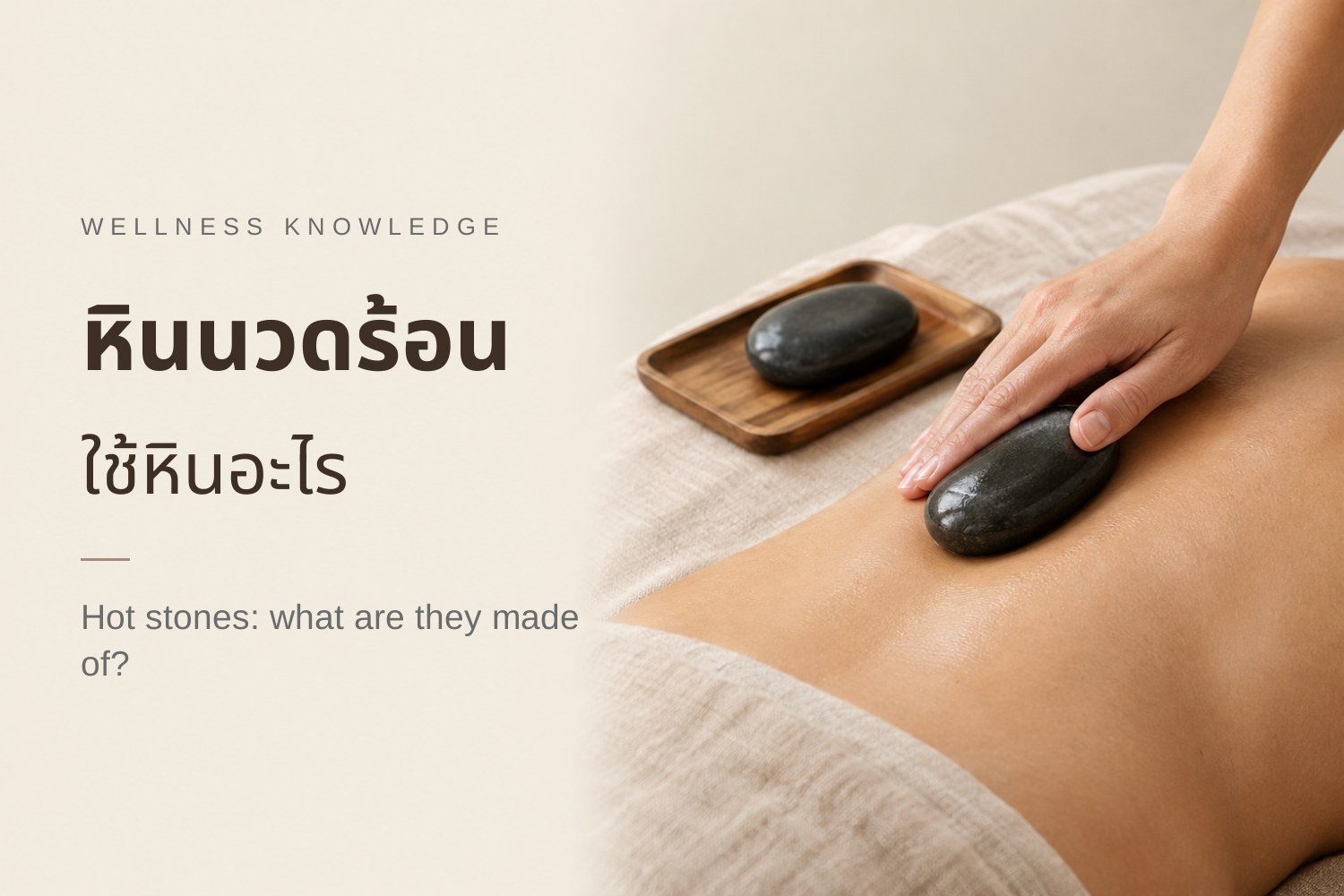
What Stones Are Used for Hot Stone Massage, and Why Is Basalt Common?
Basalt is a type of stone commonly used in hot stone massage. This volcanic rock retains warmth and gradually transfers it to the skin on contact. This property explains its use in hot stone massage equipment, where a comfortable level of warmth may help you feel relaxed during the massage.
However, the type of stone and its suitability for contact with the skin are separate considerations. Even with basalt, the surface, edges and shape of each stone need to be considered rather than relying on the material name alone. Massage stones should have smooth surfaces, rounded edges and no cracks that could make contact uncomfortable.
A dark colour alone cannot confirm that a stone is basalt, as different types of stone can have similar colours. If you would like to understand the equipment before trying a massage, ask about both the stone type and the surface that touches the skin, rather than judging by colour or appearance alone.
How Do Smooth Surfaces and Rounded Edges Affect the Feel?
The stone’s surface touches the skin directly, so it plays a role in comfort both when the stone is placed on the body and when it is moved across the skin. Smooth stones without cracks or sharp edges allow continuous contact without catching on rough areas. Smoothness is therefore more than a visible feature; it should be considered alongside warmth.
A flat, rounded shape provides an area of contact, while curved edges create a gradual transition from the face of the stone to its edge, rather than a sharp angle. However, individual stones can differ in curvature and contact area, so stones that look similar should not be assumed to feel exactly the same. How the stones are placed and moved also contributes to the experience.
Not every stone found in nature is suitable for warming and using on the skin. Even if a stone looks rounded, cracks and surface roughness still need to be considered. Before trying hot stone massage, you can ask about the equipment’s characteristics. During the massage, speak up if a stone feels rough, catches on your skin or feels uncomfortable, rather than continuing to put up with that sensation.
How Stone Size and Shape Change the Massage Experience
The size of a massage stone affects how much of its surface touches the skin. Larger stones have a broader contact area and may create a feeling of coverage across the area being massaged. Smaller stones have a narrower contact area and provide a more focused sensation. Flat and rounded shapes also differ in how they rest against the skin, so size alone should not determine how comfortable a stone will feel.
As a stone moves across the skin, the sensation comes from its contact surface, the pressure applied by the person providing the massage, and the rhythm of movement. Stones of the same size can feel different depending on the pressure and the area being massaged. The choice of stone is therefore just one part of the experience; it does not determine how gentle or firm the massage will feel.
Moving stones across the skin and placing them in a stationary position create different experiences. With movement, the sensation changes along the path of the stone. With stationary placement, warmth stays in one area, with a protective layer underneath where appropriate. If a stone feels too heavy or uncomfortable, let the person providing your massage know so they can adjust its use to suit your comfort.
What Level of Stone Warmth Should Feel Comfortable?
The warmth used for hot stone massage should feel comfortable on the skin, rather than something you have to endure. As a stone transfers heat to the skin and its surroundings, it gradually cools. The initial sensation may therefore differ from how it feels a little later, and more heat does not necessarily mean greater relaxation.
People perceive warmth differently, and different areas of the body may respond differently to the same stone. Let the person providing your massage know how it feels at that moment, rather than using someone else's comfort as a guide. If a stone feels too hot, causes a stinging sensation, or feels uncomfortable, speak up immediately so contact can stop and the warmth can be adjusted before continuing.
Temperature-control equipment and checking the warmth before skin contact are important parts of preparing the stones. Your feedback during the massage also matters, because a temperature check cannot replace your own perception. The cleanliness of the stones, equipment, and protective cloths deserves attention too. Before starting, you can ask how the warmth is checked and how the items are cleaned to better understand the process and communicate your preferences clearly.
What Should You Ask About the Equipment Before Trying Hot Stone Massage?
Before a hot stone massage, ask about the stone material, how the stones are prepared, and how their warmth is adjusted. These answers can help you understand what will touch your skin and make it easier to express your preferences, without needing to know the name of every piece of equipment beforehand.
- What type of stone is used? If you are interested in basalt, ask whether your chosen service uses it.
- How are the surfaces and edges of the stones checked before use, and how is the equipment cleaned between guests?
- How are the stones warmed and their temperature checked? Will you be asked how they feel when they touch your skin?
- If the stones feel too hot or the pressure feels too firm, how can the warmth or pressure be reduced, or the use of stones paused?
- What type of oil is used with the stones, and can you ask about its ingredients before starting?
During the massage, be open about how you feel. You do not need to endure heat just to complete a step. Everyone has different comfort preferences, so also ask how to signal when you would like to stop or adjust the pressure, keeping communication clear throughout the massage.
Frequently asked questions
Are all hot massage stones made of basalt?
No. Basalt is commonly used for hot stone massage because it retains warmth well, but massage stones can also be made from other materials. Check the manufacturer's material information rather than relying on appearance alone.
Can you identify basalt by its black colour alone?
Black colour alone is not enough to identify basalt, as other stones can have a similar dark appearance. The stone's texture and the manufacturer's material information should also be considered.
Why should massage stones have smooth surfaces and rounded edges?
Smooth surfaces and rounded edges help stones glide over the skin and reduce friction or pressure from sharp edges. Stones should have no cracks or chips to make contact during the massage more comfortable.
Do hotter stones make a massage more relaxing?
More heat does not necessarily mean more relaxation. Warmth that feels right for you may help you feel comfortable, while stones that are too hot can burn the skin. Tell your massage provider immediately if a stone feels too hot or uncomfortable.
What should I say if a stone feels too hot?
You can say directly, “The stone feels too hot. Please stop using it and lower the temperature before continuing.” You do not need to endure the heat or wait to get used to it. After an adjustment, explain how it feels so your massage provider can adapt the contact to your comfort.