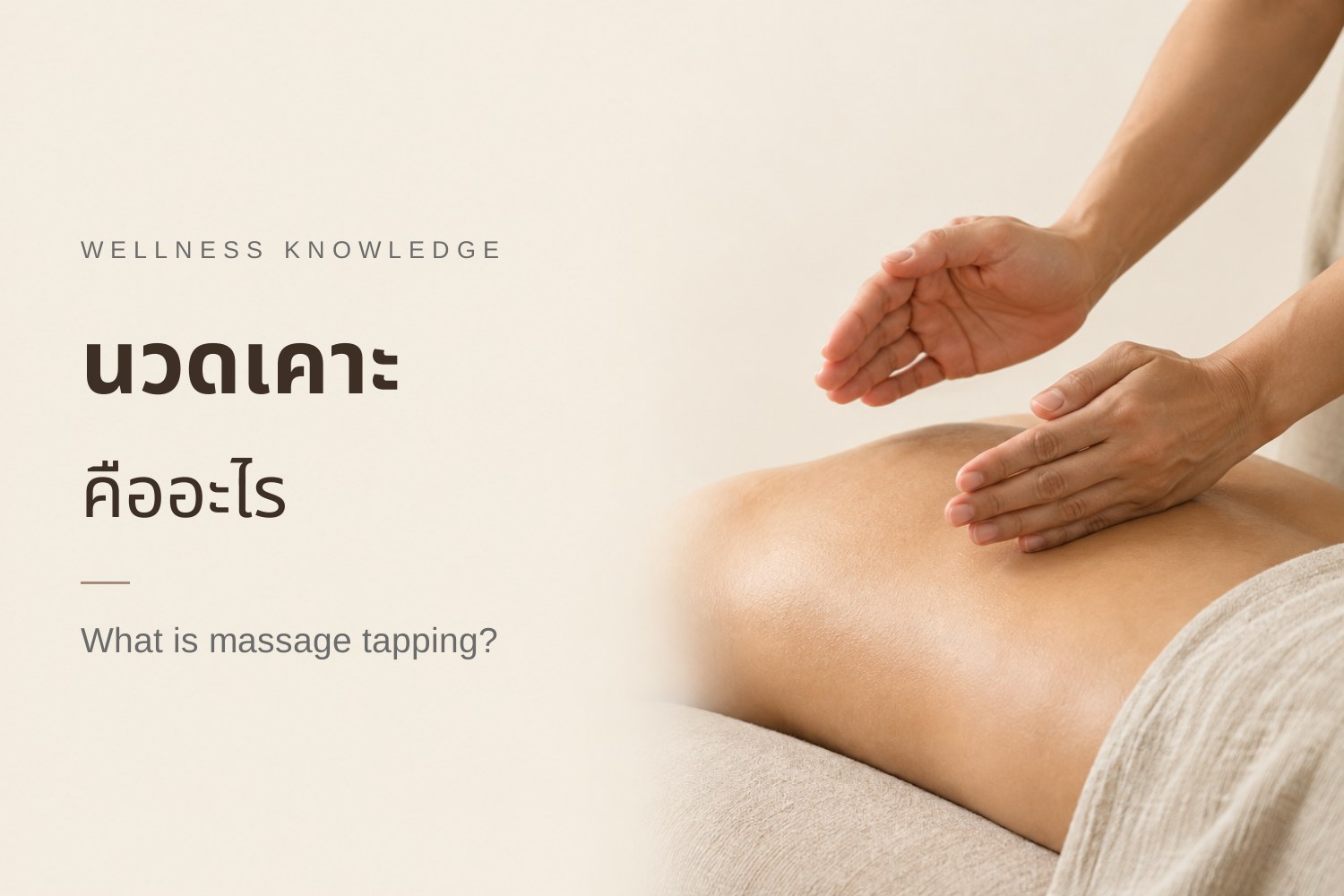
What Is Tapping in Massage, and What Does It Feel Like?
Tapping in massage is a technique in which the hands repeatedly touch the skin in a rhythm, making contact and then lifting away rather than maintaining pressure in one place. You may therefore notice a series of brief touches rather than sustained pressure on a single spot.
Tapping can involve different hand shapes, but this article focuses on cupped hands and alternating contact between the left and right hands. Hand shape describes the part of the hand that touches the skin, while alternation describes the sequence of movement. These are two distinct elements that work together; tapping does not necessarily have to be fast or firm.
If this technique is new to you, notice how it feels as each hand touches and lifts away, as well as the interval between touches. A steady rhythm may create a sense of continuity, but comfort varies from person to person. You can speak up if you would like the contact adjusted.
Tapping is one element you may encounter during a massage, not the name of a service that every venue must offer or perform in the same way. Understanding this type of contact can help you recognise what you are feeling without expecting every massage to follow the same sequence or rhythm.
How Do Cupped Hands and Alternating Contact Work Together?
A cupped hand has the palm and fingers curved inward to form a shallow cup, rather than a closed fist. Viewed from the side, the palm has a hollow shape instead of lying flat against the skin. Here, the word cupped describes the hand's shape, not how much force should be used.
Alternating contact means that the left and right hands take turns touching and lifting away. As one hand leaves the skin, the other continues the rhythm. You may feel a continuous sequence of brief touches rather than both hands making contact at once. Hand shape and the alternating sequence therefore describe different aspects of the same technique.
The sound should not be used to judge the quality or comfort of tapping, and a louder sound does not mean a more relaxing experience. More direct things to notice are whether the contact feels too firm, whether the rhythm feels uncomfortably rapid, and how you feel while receiving it.
You do not need to try tapping or applying force yourself to understand this movement. If the contact does not suit your preferences, you can ask for a different rhythm, a lighter touch, or for this technique to stop. Your comfort during the massage is the key point to communicate.
How Does Tapping Differ from Sustained Pressure in Massage?
The noticeable difference begins with how long the hands stay in contact with the skin. Tapping involves repeated contact and release, creating a sequence of brief, rhythmic touches. Sustained pressure keeps weight on one contact point for longer before moving to another position. The two can therefore feel different even when both use light pressure.
When observing the movement, cupped-hand tapping alternates between the hands, creating a rhythm of contact and pauses. Sustained pressure, by contrast, keeps the hand in the same position for longer, giving a more continuous sensation at that point. Notice whether you prefer alternating touches or a hand resting still, without needing to decide that one is better than the other.
Another distinction worth making is between speed and pressure. Faster tapping does not necessarily mean greater pressure, and slower contact does not always mean a lighter touch. When communicating your preferences, describe both rhythm and pressure—for example, asking for a slower pace while keeping the touch light. Preferences vary, so neither technique should be considered more suitable for everyone.
What Massage Rhythm Feels Comfortable?
A comfortable rhythm is not the same for everyone. Start by noticing how the contact feels: does the rhythm suit you, or would you like it to change? Some people may prefer light tapping that alternates continuously, while others prefer slower contact with more distinct pauses. Either preference is useful to communicate, without feeling that you need to enjoy a particular rhythm.
Speed, pressure, and continuity are separate elements to consider. If the tapping feels too frequent, you can ask for a slower pace without increasing the pressure. If the speed feels right but the touch feels too firm, you can ask for lighter pressure while keeping the same rhythm. Describing one element at a time makes your preferences clearer than simply asking for a different massage approach.
As the massage continues, notice whether the adjustment feels more comfortable, and speak up if you would like another change. A rhythm that suits your preferences may help you feel more relaxed, but it does not need to be fast or firm. The sound of tapping is not a measure of how comfortable it will feel, either. Give more importance to your own experience than to the loudness or intensity of the contact.
How to Communicate When Trying Tapping for the First Time
Before you begin, let your massage practitioner know that tapping is unfamiliar to you and ask them to explain what the contact will feel like. For example, you might ask how cupped hands and alternating hand movements feel. Sharing your preferences at the start helps make communication clearer, without needing to know massage terminology.
As you experience the contact, try to distinguish whether it is the pressure, the speed, or the tapping itself that you dislike. Use short phrases such as “A little lighter, please,” “A slower rhythm, please,” or “Please skip the tapping.” If the contact feels uncomfortable, ask to pause rather than continuing with a rhythm you do not enjoy. After requesting an adjustment, you can let the practitioner know whether it feels more comfortable or whether you would like another change.
Everyone’s experience may differ, so there is no need to use someone else’s preferences as your guide or feel that you must complete the tapping to relax. To understand this technique, consider the hand shape, the alternating rhythm of contact, and your own comfort together. If you would like to explore other types of contact, read more about the differences between tapping and sustained pressure to help you describe your preferences at your next massage.
Frequently asked questions
How does cupped-hand tapping differ from tapping with a flat palm?
Cupped-hand tapping uses a slightly curved hand, leaving a gap between the centre of the palm and the skin. A flat palm makes more direct contact with the skin. These hand shapes produce different sounds and sensations, while gentleness also depends on the pressure and rhythm used.
Does faster tapping always mean more pressure?
No. Speed refers to how frequently contact is made, while pressure refers to the force of each tap. Tapping can be fast yet light, and both speed and pressure should be adjusted to suit your comfort.
Does a louder tapping sound indicate massage quality?
Sound alone cannot indicate massage quality, as it varies with hand shape and the way contact is made. More useful things to notice are a steady rhythm, comfortable pressure and adjustments in response to your feedback.
Can I ask to skip tapping if I do not enjoy it?
Yes. You can ask the person giving your massage to skip tapping, either before the session begins or during it. If the rhythm or contact feels uncomfortable, ask them to stop that technique and discuss an approach that feels more comfortable.
How does the rhythm of tapping differ from sustained pressure?
Tapping involves brief, repeated contact in a rhythm, often with alternating hands lifting away between taps. Sustained pressure involves holding pressure for a period before gradually easing off, creating a more continuous sensation. Preferences for these two rhythms vary from person to person.